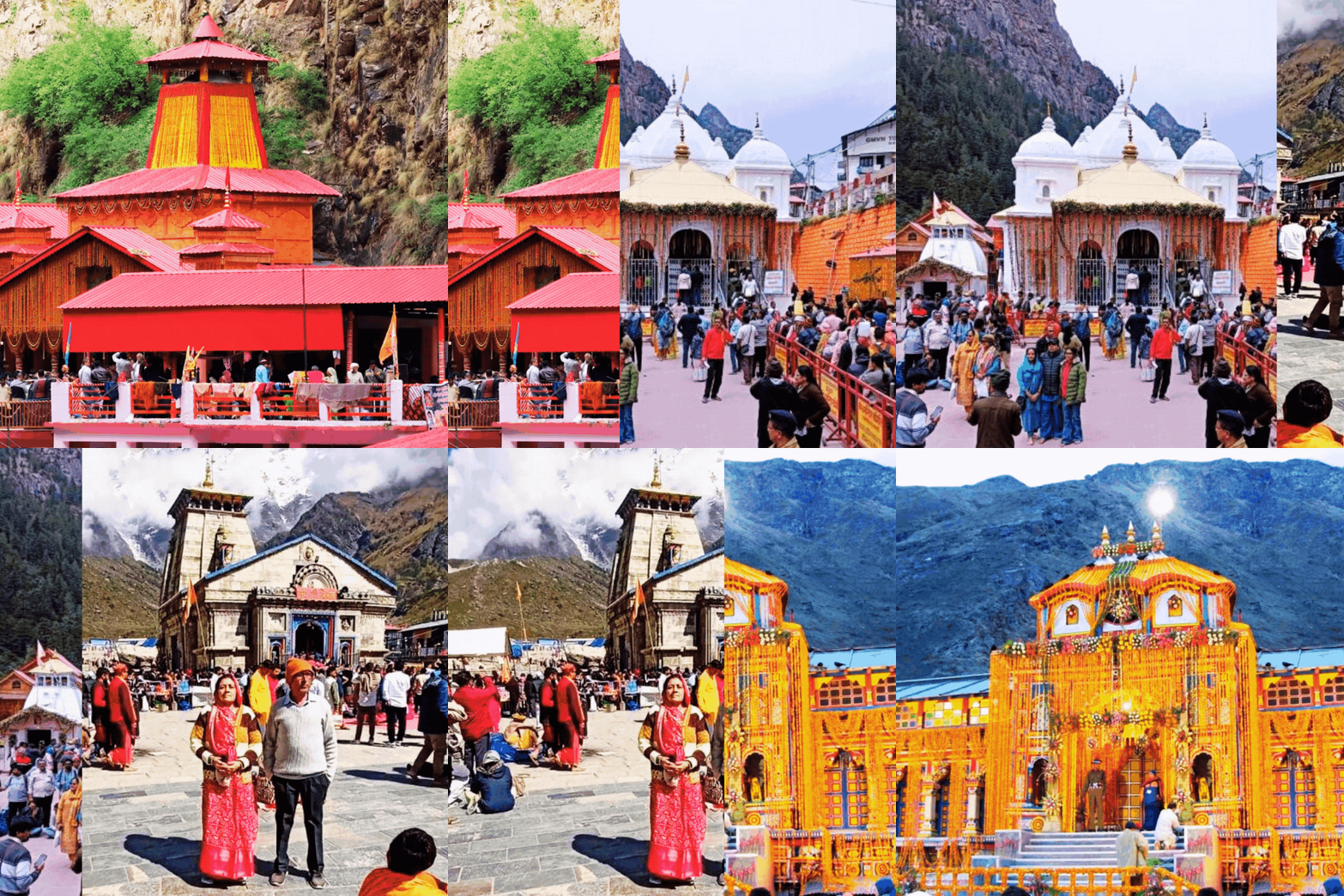
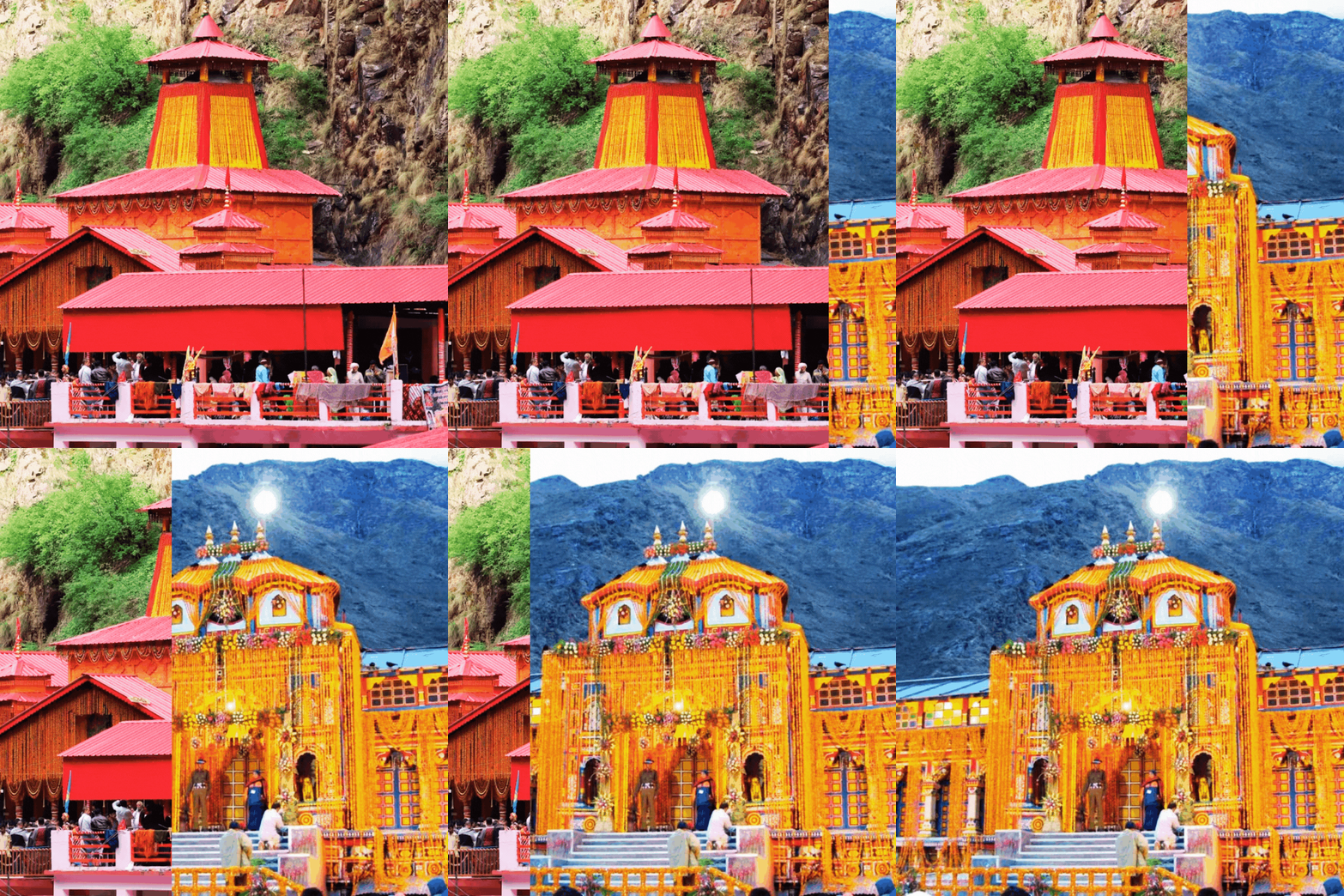
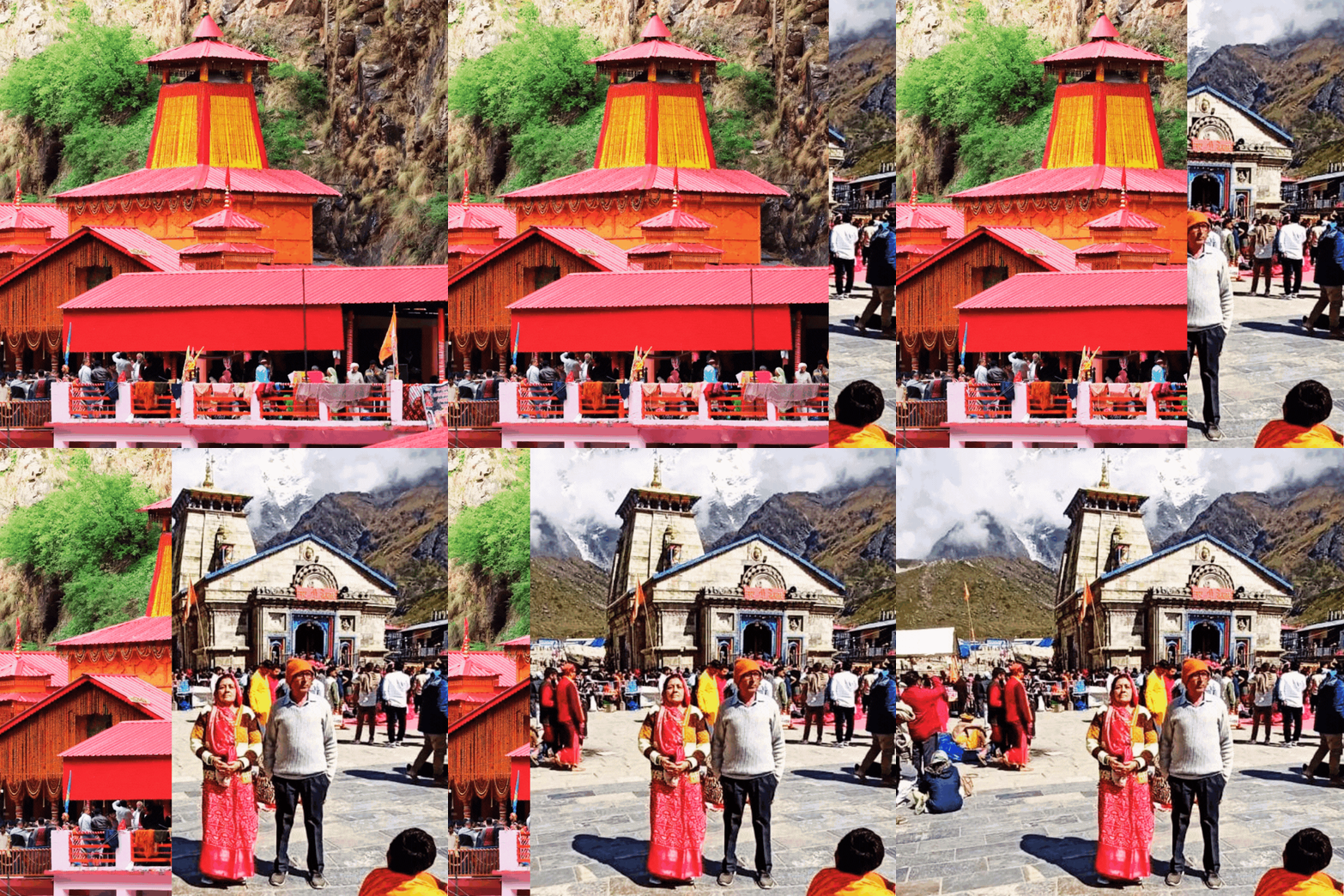
The Gangotri
The Ganga' Genesis
From Ice-Peak Origin, to Civilized Destiny!
Himalayan Heights: The Ganga’s Genesis
Gangotri! This is the very wellspring of that monumental river, which is not merely a waterway, but a revered Matriarch to the Indian nation! It has been the unwavering benefactor of civilization, continually enriching human lives with the triumvirate of vibrant fertility, lasting prosperity, and incredible wealth!
The Captivating Legends (Mythological Significance)
Gangotri Temple: Your Easy Mountain Trip
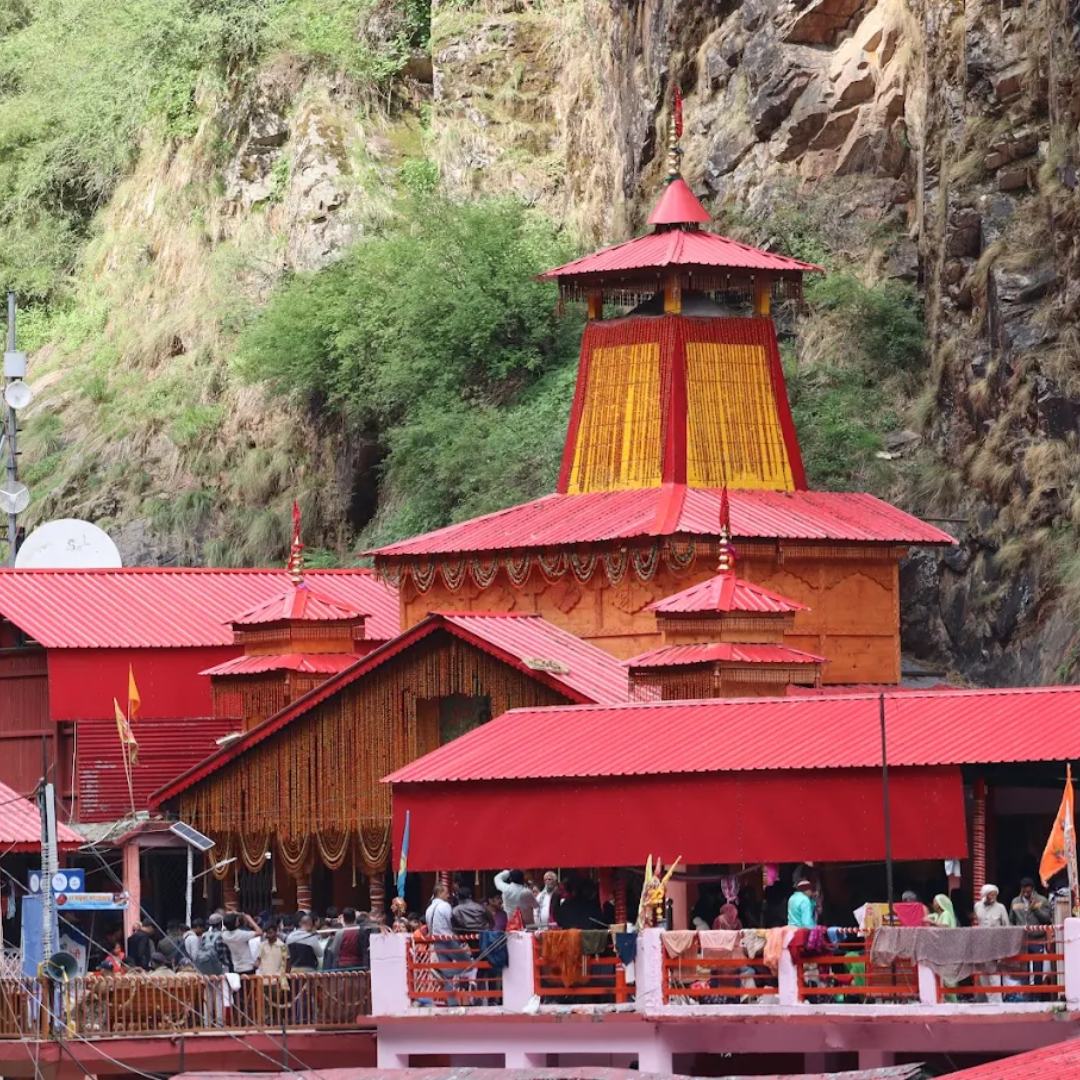
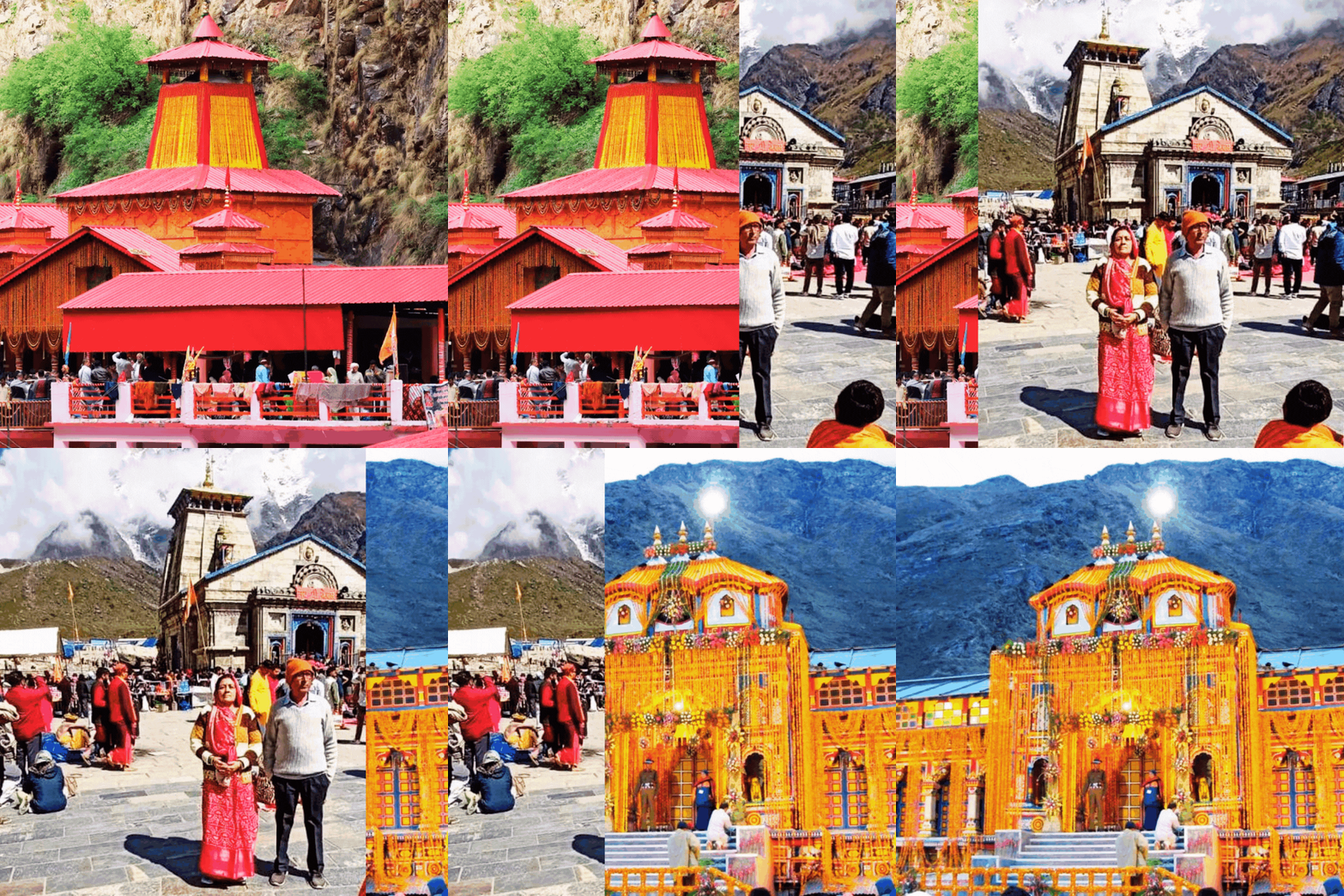
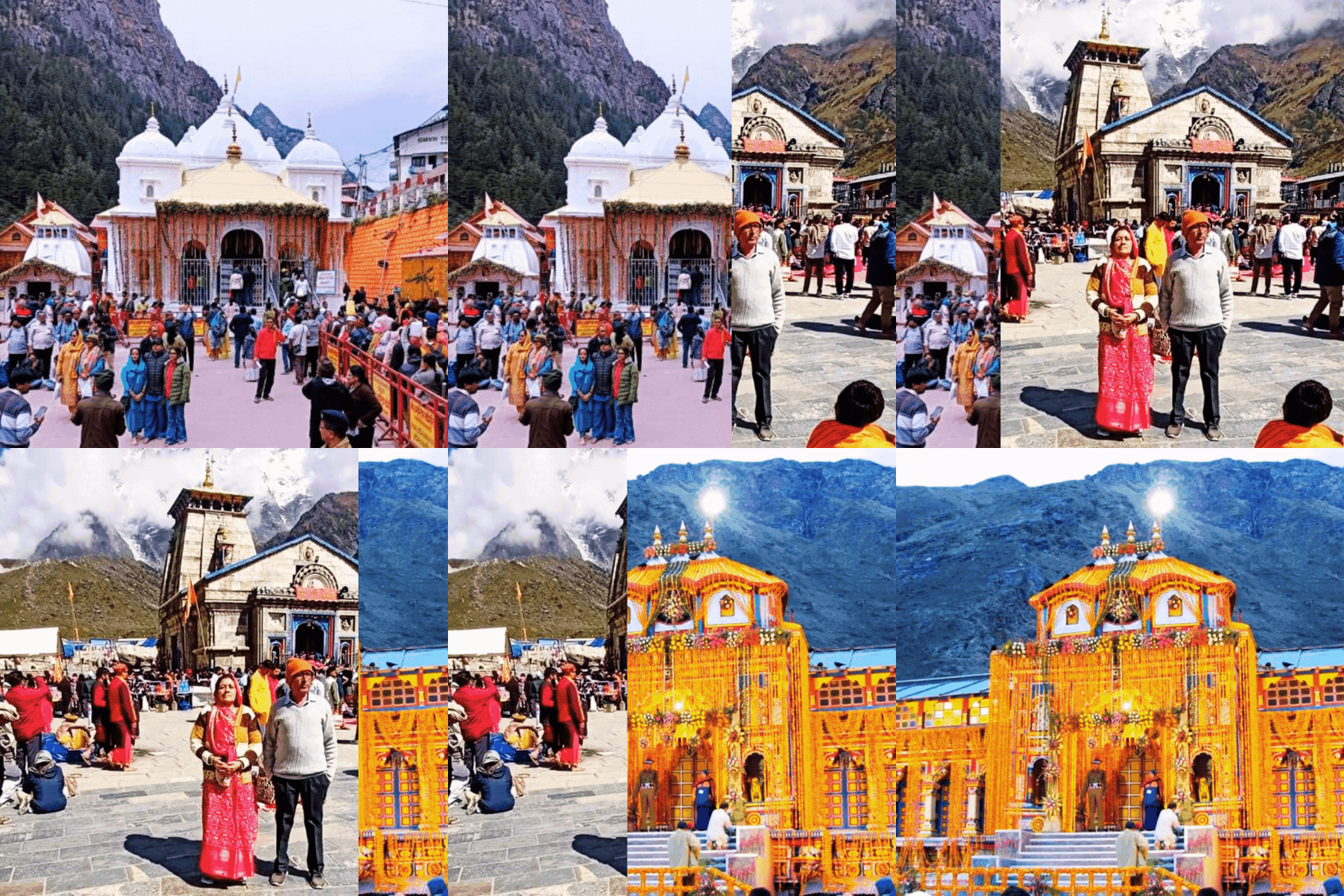
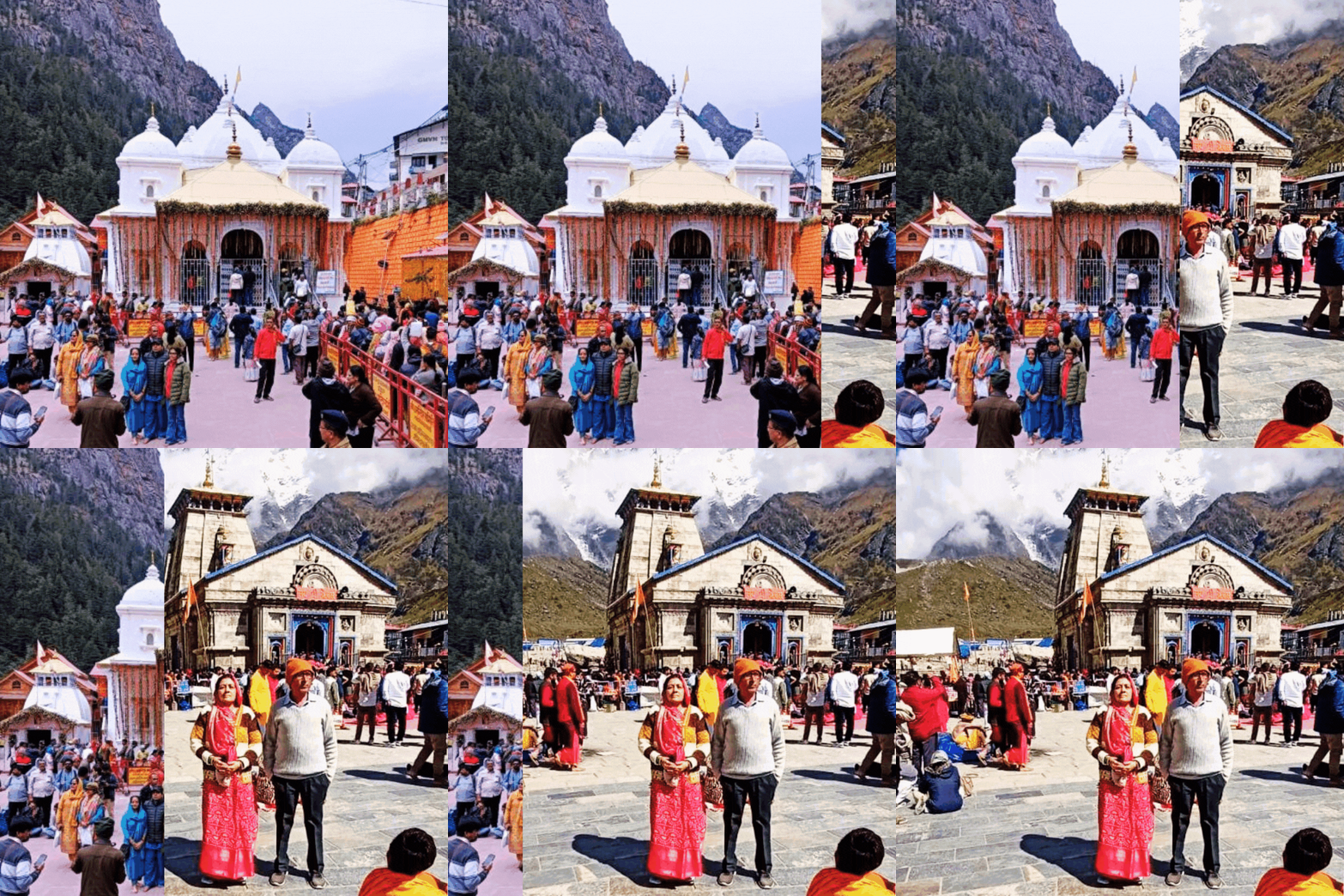
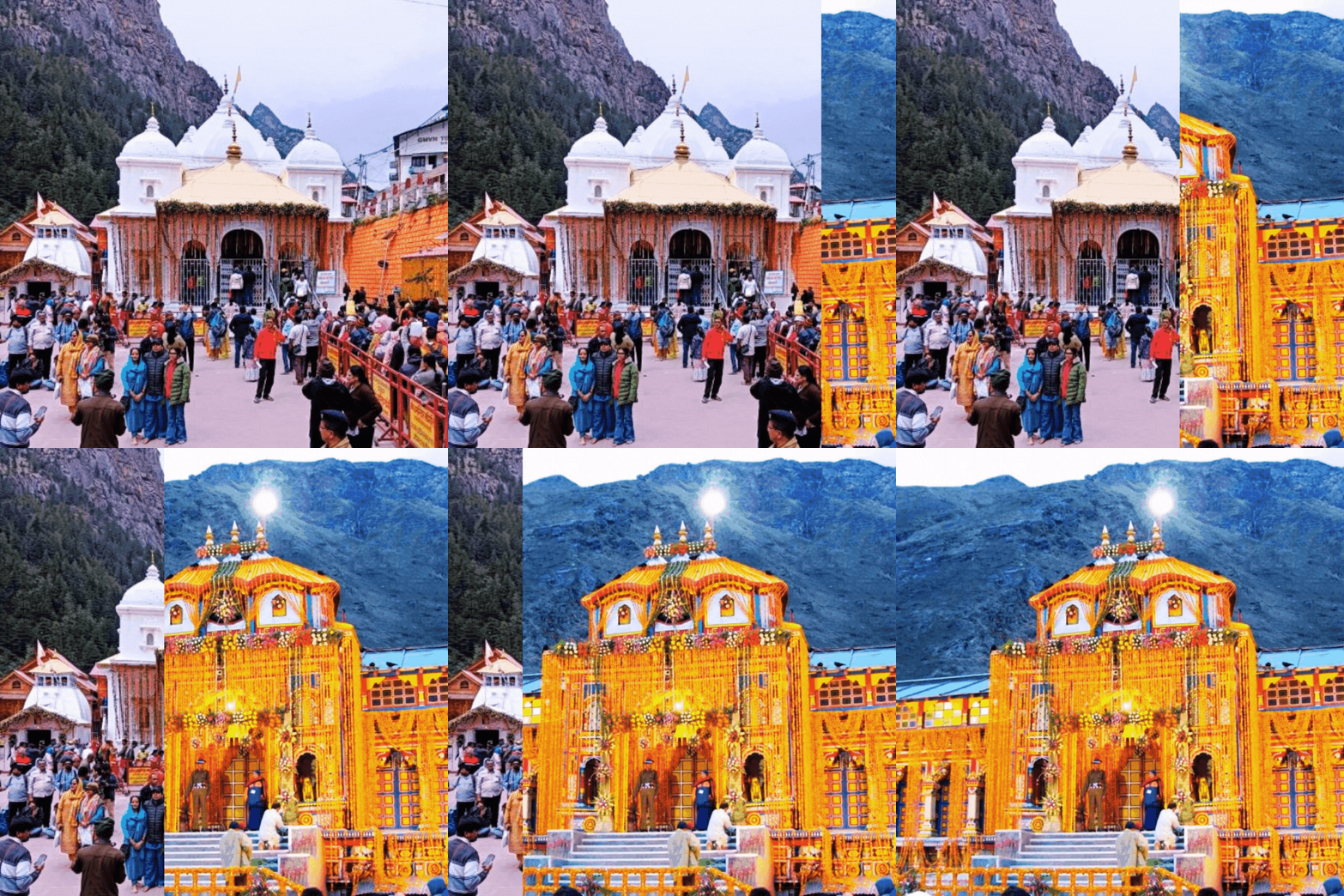
Imagine a special place high up in the mountains! That’s the Gangotri Temple, sitting in a charming village called Gangotri in Uttarakhand. It’s really high up—about 3,048 meters (that’s over 10,000 feet!) above the sea!
But don’t worry about the journey. This amazing temple is super easy to get to! You can drive right up to it because a good road connects it to all the main parts of the state.
To start your adventure, just hop in a car from places like Dehradun or Haridwar. You’ll drive through beautiful towns like Uttarkashi and Bhatwari right until you reach Gangotri. It’s a smooth, hassle-free ride!
The Descent of the Divine Ganga
The legend begins with King Sagar, a powerful ruler of the Suryavanshi dynasty. His sixty thousand sons, in a moment of arrogance, offended the sage Rishi Kapil. The sage, in his immense fury, reduced them to a pile of ashes with a single glance from his divine eyes.
A dreadful fate awaited the sons: they could only find salvation and passage to heaven if the sacred river Ganga—who resided far away in the celestial realm—would descend to Earth and embrace their ashes.
Thus began a long and heartbreaking quest. King Sagar’s grandson, Anshuman, dedicated his life to this impossible task, but his tireless efforts bore no fruit. The same ill fortune followed his son, Dilip. It was not until Bhagiratha, Dilip’s son, that destiny finally turned.
Bhagiratha performed an austerity so profound, a penance so intense, that he pleased the gods and succeeded in bringing Mother Ganga down from the heavens. His great sacrifice ensured that his sixty thousand ancestors found their much-deserved peace and ascended to heaven. This monumental effort is why the river is sometimes called Bhagirathi.
Gangotri: The Sacred Source
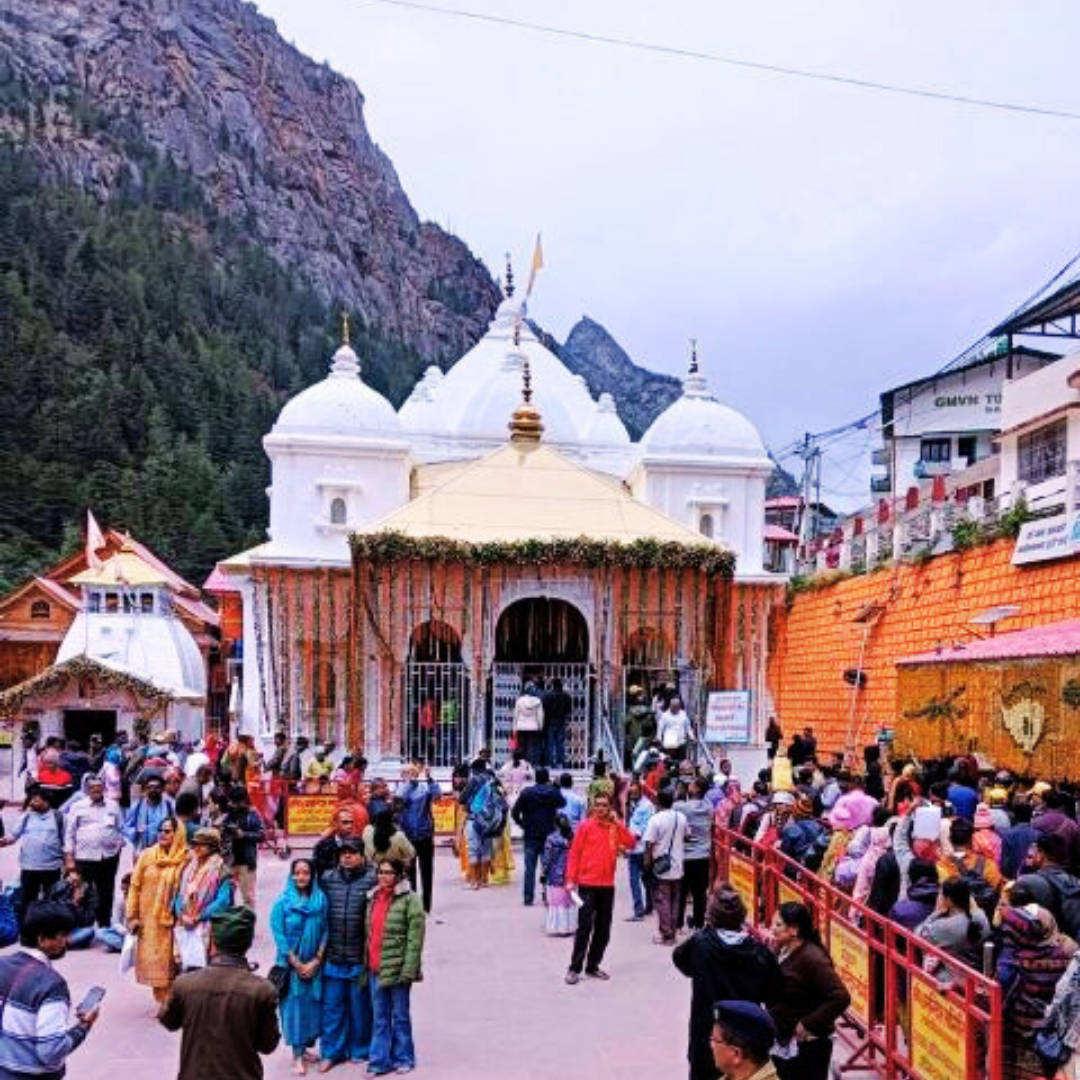
The Gangotri Temple now marks the very spot where King Bhagiratha performed his world-changing penance. A revered rock, known as the Bhagiratha Shila, still stands near the temple, a silent witness to his devotion.
Today, the Ganges is not just a river; she is the life-giver to a vast expanse of India, a nurturing mother revered by all Hindus. Gangotri remains an immensely sacred destination, drawing millions of devoted pilgrims from across the globe each year to worship at this divine source.

The Sacred Flow of Gangotri
The story of Gangotri as a sacred destination begins with Sudarshan Shah of the Panwar clan, who lovingly developed and promoted it as a pilgrimage site. Around the hallowed temple, a small, vibrant town has blossomed, sustained by the constant, faithful stream of devotees.
Though once damaged by the earth’s tremor, the temple was beautifully reborn in 1930. Sawai Madho Singh II of Jaipur rebuilt it, crafting its structure from luminous white marble, which lends it an elegant touch reminiscent of Rajasthan’s royal architecture.
Inside this sacred space, the sanctum sanctorum holds a magnificent scene: the golden idol of Goddess Ganga stands serenely upon her mythical vehicle, the Makara (crocodile). She is graced by her divine companions, Yamuna, Durga, and Annapurna, each holding a water pot and a blooming lotus. Just outside the temple rests the famed Bhagiratha Shila, the very rock where the revered king Bhagiratha performed his deep meditation to summon the life-giving Ganga to our world.
The spiritual rhythm of the temple is maintained by the Semwal Brahmins from Mukhba, the village where the deity resides during the cold winter months. They lovingly oversee the temple’s management and perform the main rituals.
As twilight descends, the mesmerizing Ganga Aarti (worship ceremony) takes place. The Bhagirathi River itself seems to ignite, glowing brilliantly with the reflections of hundreds of lamps set upon tiered platforms. Temple servants move in perfect, synchronized harmony, gently rotating the lights. The atmosphere becomes charged with devotion as the ancient verses of Ganga Lahari, composed by the sixteenth-century poet Jagannath, resonate through the air.
The Source
The Bhagirathi River springs forth, a pristine cascade, from the icy heart of the Gangotri Glacier, nestled in the awe-inspiring Garhwal Himalayas at a commanding altitude of 4,023 meters. It embarks on its journey until it merges with the Alaknanda at the sacred confluence of Devprayag, thereby adopting the venerable name of the Ganga, renowned across the globe.
The Altitude Challenge
When people go on the Char Dham Yatra, they usually stop at the Gangotri Temple to pray by the Bhagirathi River, and then head toward Kedarnath. But some people, especially a few very dedicated saints and adventurous travelers, decide to keep going! They hike a tough 18 kilometers up a mountain trail to a remote spot called Gaumukh. It’s super high up, at 4,023 meters, and you can only get there by walking. It’s a real trek for the boldest pilgrims!
"Gangotri is the Destination. The Journey is the Discovery."
Explore More with Vagari Tourism India.